
Evidence-Based Practices
At Family Advantage, every service we provide is grounded in evidence-based and best-practice treatment models that promote safety, resilience, and long-term success for children, adolescents, and families. Our clinical approach is trauma-informed, individualized, and outcomes-focused, ensuring each youth receives care that is structured, measurable, and effective.

Trauma-Informed Care
We use a trauma-informed framework that prioritizes safety, trust, empowerment, and consistency in every youth's care plan. This approach helps staff understand how past experiences influence current behavior and supports healing in a respectful, supportive environment.

Cognitive Behavioral Therapy (CBT)
CBT helps youth identify negative thinking patterns that contribute to emotional and behavioral challenges. This approach is integrated into individual therapy, group sessions, and family engagement activities.
- Emotional regulation
- Anger management
- Behavioral goal-setting
- Problem solving

Motivational Interviewing (MI)
Motivational Interviewing enhances engagement and supports youth in building internal motivation for change. It is especially useful for individuals who may feel ambivalent about change and encourages collaboration between youth and clinicians.

Family-Centered Modes of Support
Family involvement is essential for lasting change. We engage families in treatment planning, progress monitoring, and ongoing communication to strengthen relationships and ensure therapeutic gains extend beyond our programs.
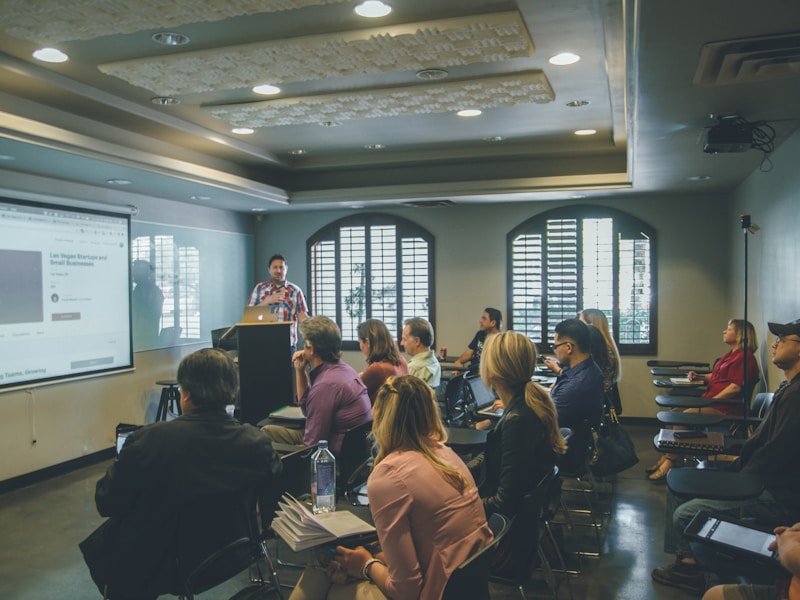
Structured Skill-Building & Emotional Regulation
We emphasize structured learning that builds essential life skills. These skills help youth succeed in natural environments like home, school, and the community.
- Emotional regulation
- Communication skills
- Interpersonal effectiveness
- Adaptive coping strategies

SKILLS System Training & Certification
Family Advantage clinicians and direct support staff are formally trained and certified in the SKILLS System, a widely respected, DBT-informed emotion-regulation model developed by Dr. Julie F. Brown, PhD. The SKILLS System provides a clear, teachable framework for helping individuals of all ages and abilities understand their emotional experiences, learn practical regulation strategies, and apply skills consistently in daily life.
Comprehensive Training
Our team completes SKILLS System instruction that includes structured e-learning coursework, live training, and skills-coaching practice.
Integration Across Settings
We integrate emotion-regulation concepts into therapy, residential programming, and day treatment activities.
Staff & Caregiver Support
Enhanced training for how staff and supporting caregivers reinforce and generalize skills across settings.
Collaboration & Integration
SKILLS System concepts integrate with CBT, trauma-informed care, and motivational strategies for cohesive, strengths-based support.
Our Commitment to Quality
Family Advantage continually evaluates treatment effectiveness through clinical supervision, outcome tracking, and quality improvement measures. Our evidence-based framework aligns with state standards, managed care expectations, and national best practices for behavioral health services.
Learn more about the Skills System® and its foundational principles at Dr. Brown's official page:
Behavioral Health Levels of Care in North Carolina
Understanding the continuum of care from least to most intensive support
Level 1: Community-Based & Foster Care Supports
Outpatient therapy, in-home support, and case management. Focused on keeping youth connected to family and community while addressing behavioral health needs.
Level 2: Outpatient Therapy
Individual, family, and group therapy while youth remain at home and in school. Provides flexible, structured support.
Level 3: Intensive Community Programs
Structured day programs such as Day Treatment, Intensive In-Home Services (IIH), and Family-Centered Treatment. Designed for youth needing more support than traditional outpatient care.
Level 4: Residential Treatment (Levels II–IV)
24-hour therapeutic care in a home-like setting. Level of care is based on clinical complexity and intensity of support required.
Level 5: Psychiatric Residential Treatment Facility (PRTF)
Specialized, intensive residential care for youth with severe emotional or behavioral needs that cannot be safely managed in less restrictive environments.
Level 6: Inpatient Psychiatric Care
Acute care for youth in crisis requiring continuous monitoring, medical intervention, and stabilization in a hospital setting.